$14.39
$17.99
50% OFF! Hot items selling fast—Grab them before they're gone!

 Unconditional Satisfaction GuaranteeNo Shipping Fees Above 302 Months to Decide. Returns Simplified.
Anemopsis californicum, commonly known as Yerba Mansa, is a perennial herbaceous plant native to wetland areas of California and northern Mexico. It is valued for its unique appearance, aromatic leaves, and medicinal properties.
Here’s a detailed description and care guide for Anemopsis californicum:
Description:
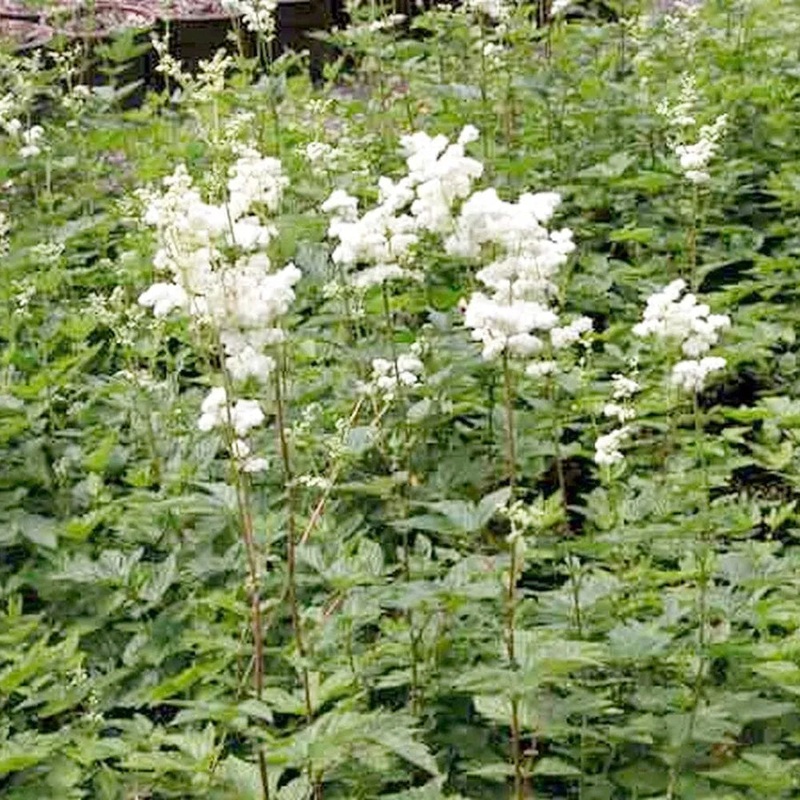
Anemopsis californicum is a clump-forming herb that typically grows to a height of 12-24 inches (30-60 cm) with a spread of 12-18 inches (30-45 cm). It features large, leathery, lance-shaped leaves that arise from a basal rosette. The leaves have a glossy texture and are often aromatic, emitting a pleasant fragrance when crushed. The plant produces dense, cylindrical spikes of small, white flowers with yellow centers. The flowers are surrounded by showy white bracts that resemble petals, giving the appearance of a long-lasting flower display.
Care Guide:
Lighting: Anemopsis californicum thrives in full sun to partial shade. It prefers at least 4-6 hours of direct sunlight each day for optimal growth and flowering. However, it can tolerate some shade, particularly during the hottest part of the day.
Water: Anemopsis californicum is a water-loving plant and requires consistently moist soil or growing conditions. It naturally grows in marshes, wetlands, or along the edges of streams or ponds. Ensure that the soil or planting medium remains consistently moist, but avoid waterlogging or allowing the plant to sit in standing water for extended periods.
Soil: Anemopsis californicum prefers fertile, loamy soil that is rich in organic matter. It can tolerate a range of soil types, including sandy or clay soils, as long as they retain moisture. Ensure good drainage to prevent waterlogging, but maintain sufficient moisture to meet the plant’s water requirements.
Temperature: Anemopsis californicum is native to mild to warm climates and is hardy in USDA hardiness zones 7-10. It prefers moderate temperatures and may struggle in regions with extremely hot or dry conditions. Providing some shade during the hottest part of the day can help protect the plant from heat stress.
Fertilization: Anemopsis californicum generally does not require heavy fertilization. However, you can provide a balanced, slow-release fertilizer in spring to promote healthy growth. Follow the manufacturer’s instructions for application rates. Avoid excessive fertilization, as it may lead to excessive foliage growth rather than flower production.
Maintenance: Anemopsis californicum is a relatively low-maintenance plant. Regularly remove any dead or damaged leaves to maintain its appearance. After flowering, you can trim back the spent flower stalks to promote fresh growth. If the plant becomes overcrowded, divide the clumps every few years in early spring to rejuvenate growth and prevent overcrowding.
Propagation: Anemopsis californicum can be propagated through division or by collecting and sowing its seeds. Division is best done in early spring when new growth emerges. Carefully separate the clumps and replant them in suitable soil or planting medium. Seeds can be collected from mature flower spikes and sown in containers or directly in the garden.
Pests and Diseases: Anemopsis californicum is generally resistant to pests and diseases. However, it may occasionally attract aphids or be susceptible to root rot if the soil is overly saturated. Monitor the plant regularly for signs of pests or diseases and take appropriate measures if necessary.
By following these care guidelines, you can enjoy the unique appearance and aromatic foliage of Anemopsis californicum in your garden. Adjust the care routine based on your specific growing conditions and monitor the plant for any signs of stress, pests, or diseases. With proper care, Anemopsis californicum can provide an attractive and aromatic addition to water gardens, bog gardens, or moist areas of the landscape.