$15.99
$19.99
50% OFF! Hot items selling fast—Grab them before they're gone!

 Unconditional Satisfaction GuaranteeNo Shipping Fees Above 302 Months to Decide. Returns Simplified.
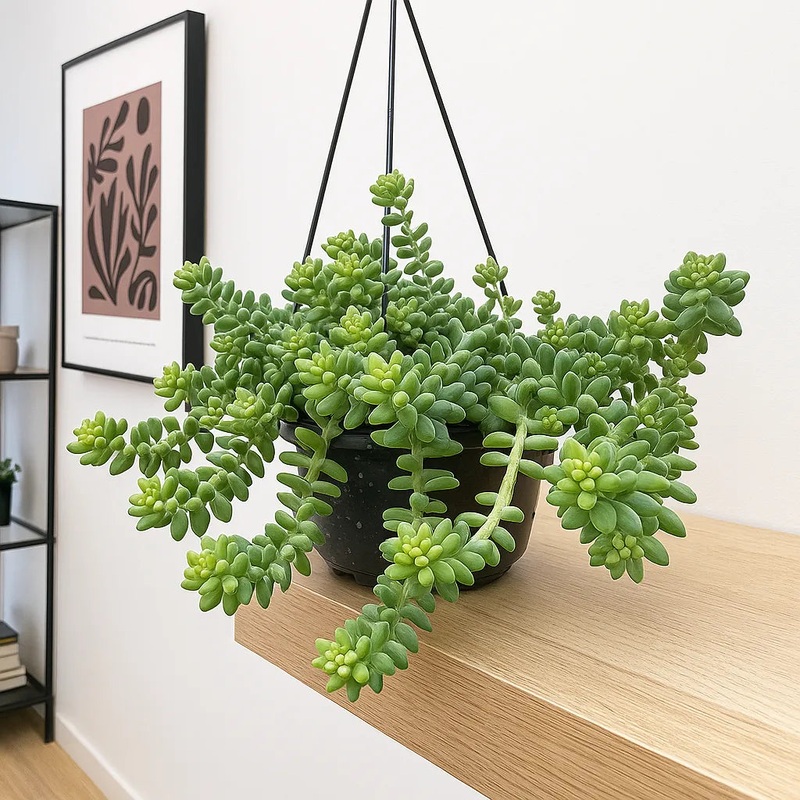
Ceropegia woodii, commonly known as the String of Hearts, is a beloved trailing succulent prized for its delicate heart-shaped leaves and graceful cascading vines. Native to South Africa, Eswatini, and Zimbabwe, this plant is part of the Apocynaceae family and has become a true classic among collectors for its beauty, resilience, and romantic charm.
The slender, thread-like stems are adorned with small, mottled green and silver leaves shaped like hearts, with soft purple undersides that add depth and colour contrast. Over time, the vines can trail several metres, creating a cascading curtain of foliage thats perfect for hanging baskets or high shelves. In summer, Ceropegia woodii produces unique, tubular pink and purple flowers that resemble tiny lanterns a subtle yet fascinating feature.
Elegant, whimsical, and endlessly versatile, Ceropegia woodii combines the sculptural appeal of a succulent with the grace of a trailing vine a perfect addition to any curated indoor collection.
Thrives in bright, indirect light or partial sun. A few hours of gentle morning or late-afternoon light each day enhances leaf variegation and purple colouring. Too little light may cause sparse growth and pale leaves, while harsh direct sunlight can scorch the delicate foliage.
Allow the soil to dry out completely between waterings. Water thoroughly, then let excess water drain freely. Ceropegia woodii stores water in its small, tuberous roots and leaves, making it highly drought-tolerant. During winter dormancy, water sparingly just enough to prevent the tubers from shrivelling. Overwatering is the most common cause of root rot.
Temperature: Prefers warmth between 1826 C; avoid cold drafts and temperatures below 12 C.
Humidity: Adapts well to average indoor humidity but prefers dry air. Avoid misting the leaves, as excess moisture can encourage fungal issues.
Use a well-draining, gritty mix cactus soil combined with perlite or pumice is ideal. Terracotta pots are recommended to aid natural evaporation and prevent water retention. Repot every 23 years in spring to refresh the soil and check the health of the tubers.
Feed every 68 weeks during spring and summer with a diluted cactus or succulent fertiliser. Avoid fertilising in winter when the plants growth slows.
Trim long or tangled vines to maintain shape and encourage fuller growth. The cuttings can be easily propagated in soil, water, or sphagnum moss. Remove any dry or yellowing leaves to keep the plant tidy. Handle the vines carefully, as they are delicate and can snap easily.
A moderate to fast grower, Ceropegia woodii can trail 12 metres indoors in ideal conditions. Mature plants often develop small tubers along the stems, which can be used for propagation. Its cascading vines and heart-shaped leaves make it a show-stopping addition to hanging planters or tall shelving.
Yellowing leaves: Overwatering or poor drainage.
Sparse growth: Insufficient light.
Wrinkled leaves: Underwatering.
Pests: Occasionally mealybugs or aphids; treat promptly with neem oil or insecticidal soap.
Native to the rocky slopes of southern Africa, Ceropegia woodii grows as a semi-succulent trailing vine, storing water in its tubers to survive periods of drought. It was first described in 1881 and has since become one of the most popular houseplants worldwide, celebrated for its graceful trailing habit, ease of care, and romantic symbolism.
Its heart-shaped leaves symbolise affection and enduring love, making it a meaningful gift as well as a decorative favourite. Beyond its beauty, Ceropegia woodii is incredibly low-maintenance and drought-tolerant, thriving in bright, dry indoor environments with minimal attention.
Light: Bright, indirect light; tolerates gentle sun
Water: Allow soil to dry completely between watering
Temperature: 1826 C; avoid below 12 C
Humidity: Prefers dry air; avoid misting
Soil: Gritty, well-draining mix cactus soil, perlite, pumice
Feed: Every 68 weeks in spring/summer
Growth: Trailing habit, 12 m; heart-shaped silver-green leaves with purple undersides and tubular pink flowers
Toxicity note: Mildly toxic if ingested; keep away from pets and children.
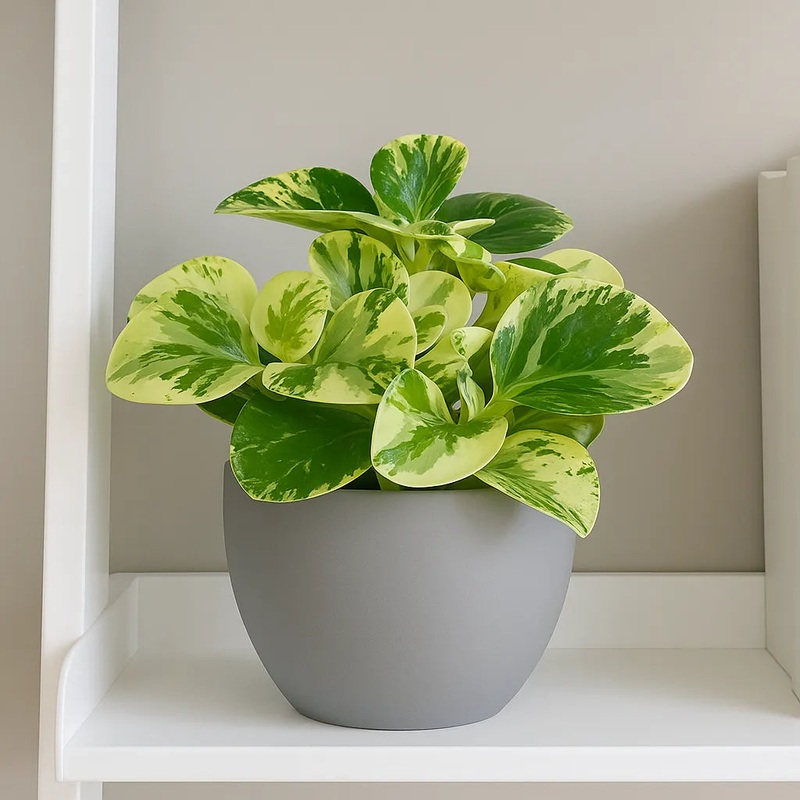
Display Ceropegia woodii in a hanging planter or elevated pot to showcase its cascading vines. It pairs beautifully with compact succulents or pastel-toned foliage plants like Hoya heuschkeliana variegata or Peperomia orba Pixie Variegata. For a romantic, airy arrangement, allow the vines to spill over open shelving or trail across a sunlit window. Its elegant flow and heart-shaped leaves add softness and movement a perfect accent for modern, bohemian, or botanical interiors.