$14.39
$17.99
50% OFF! Hot items selling fast—Grab them before they're gone!

 Unconditional Satisfaction GuaranteeNo Shipping Fees Above 302 Months to Decide. Returns Simplified.
Iris pseudacorus ‘Alba’ is a stunning cultivar of the Iris pseudacorus species, commonly known as the Yellow Flag Iris. Here’s a detailed description and care guide for Iris pseudacorus ‘Alba’:
Description:
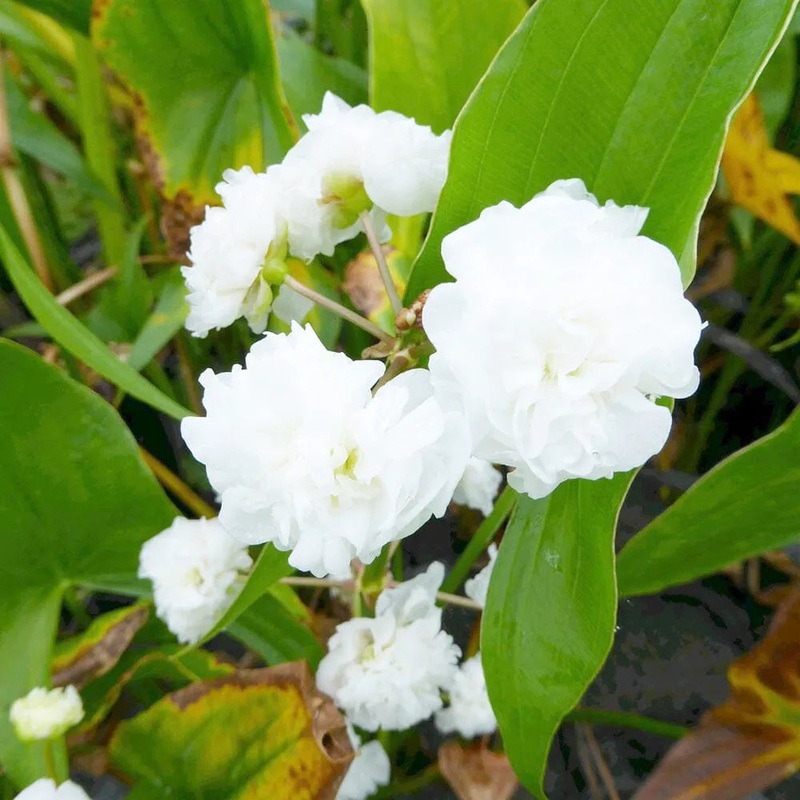
Iris pseudacorus ‘Alba’ is a vigorous herbaceous perennial that forms clumps of attractive sword-shaped leaves. It typically grows to a height of 3 to 4 feet (90 to 120 cm) and produces tall flowering stalks. The flowers of ‘Alba’ are large and showy, featuring six pure white petals with delicate yellow markings near the throat. The blooms are held above the foliage, creating a striking contrast against the green leaves. The flowers appear in late spring to early summer and are followed by seed pods containing dark brown seeds.
Care Guide:
Light: ‘Alba’ thrives in full sun to partial shade. It performs best when exposed to at least 6 hours of direct sunlight per day. However, it can tolerate some shade, especially in hot climates where partial shade can help protect the plant from intense heat.
Water: Yellow Flag Irises are naturally adapted to wet or boggy conditions, making them ideal for water gardens or moist areas. ‘Alba’ prefers consistently moist soil and can even tolerate standing water for short periods. Ensure that the soil remains evenly moist but not waterlogged.
Soil: This iris cultivar prefers rich, loamy soil that retains moisture but also provides good drainage. It can tolerate a wide range of soil types, including clay, loam, or sandy soil. Incorporating organic matter such as compost or well-rotted manure into the soil before planting can improve its fertility and drainage.
Temperature: Iris pseudacorus ‘Alba’ is hardy in USDA hardiness zones 4 to 9. It can withstand cold temperatures but may suffer in extremely hot climates. In warmer regions, providing some shade and ample moisture can help protect the plant during hot summer months.
Fertilizer: ‘Alba’ benefits from a balanced, slow-release fertilizer applied in early spring. Follow the package instructions for application rates and timing. Avoid excessive nitrogen fertilization, as it can promote lush foliage growth at the expense of flower production.
Maintenance: Remove any dead or yellowing leaves as needed to maintain the plant’s appearance. After flowering, you can trim the spent flower stalks to tidy up the plant. Divide clumps every three to five years to prevent overcrowding and maintain plant vigor.
Pests and Diseases: ‘Alba’ is generally resistant to most pests and diseases. However, watch for common iris pests such as aphids or iris borers. Regular inspection of the plants and prompt action if any issues arise can help keep them healthy.
Propagation: You can propagate Iris pseudacorus ‘Alba’ through division. In early spring or fall, dig up the clumps and carefully separate the rhizomes, ensuring that each division has healthy roots and leaves. Replant the divisions in prepared soil and water them thoroughly.
Iris pseudacorus ‘Alba’ adds elegance and brightness to garden beds, borders, and water gardens with its pristine white flowers. With the right growing conditions and care, this cultivar can thrive and provide years of beauty in your landscape.