$14.39
$17.99
50% OFF! Hot items selling fast—Grab them before they're gone!

 Unconditional Satisfaction GuaranteeNo Shipping Fees Above 302 Months to Decide. Returns Simplified.
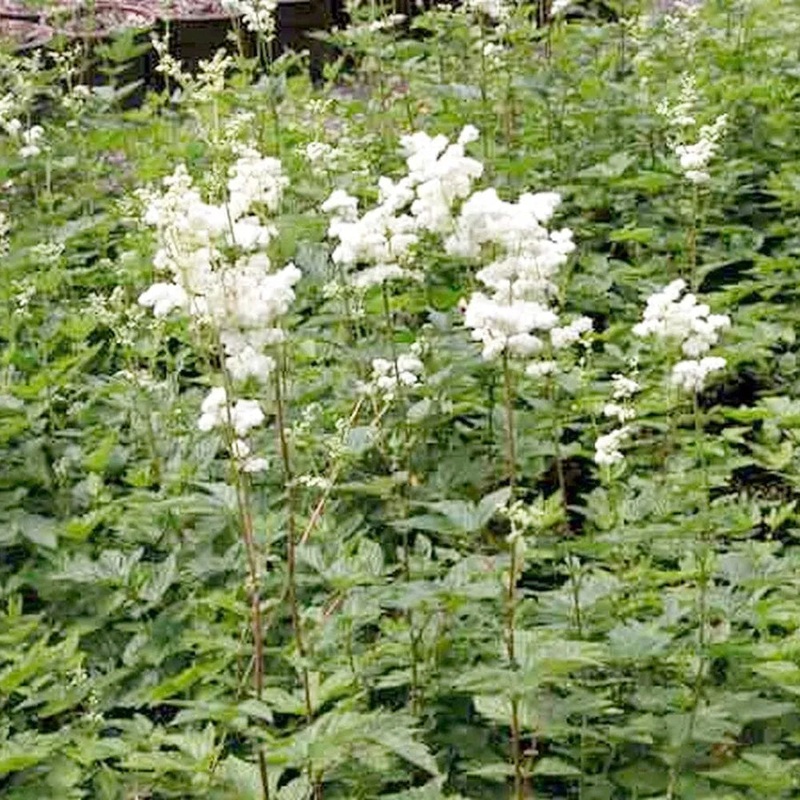
Lobelia siphilitica ‘Alba’ is a cultivar of the native Lobelia siphilitica, commonly known as Great Blue Lobelia or Blue Cardinal Flower. ‘Alba’ is valued for its pure white flowers, which add a touch of elegance and brightness to the garden. Here’s a detailed description and care guide for Lobelia siphilitica ‘Alba’:
Description:
Lobelia siphilitica ‘Alba’ has a similar growth habit to the species. It forms clumps of upright stems that can reach a height of 2 to 3 feet (60 to 90 cm). The foliage consists of lance-shaped, dark green leaves that are arranged in an alternate pattern along the stems. In mid to late summer, tall spikes of tubular flowers emerge from the foliage. The flowers of Lobelia siphilitica ‘Alba’ are pure white, creating a beautiful contrast against the dark green foliage. The blooms attract pollinators, such as butterflies and hummingbirds, and add a touch of grace and purity to garden beds, borders, or naturalized areas.
Care Guide:
Lighting: Lobelia siphilitica ‘Alba’ thrives in partial shade to full sun. It prefers a location with at least 4 to 6 hours of direct sunlight per day. In hot climates, providing afternoon shade can help protect the plant from excessive heat and prevent the foliage from scorching. However, it can tolerate full sun if the soil is consistently moist.
Water: Lobelia siphilitica ‘Alba’ prefers consistently moist soil conditions. It thrives in well-drained but moisture-retentive soil. Regular watering is essential to keep the soil evenly moist, especially during hot, dry periods. However, be cautious not to overwater, as excessive moisture can lead to root rot. Mulching around the base of the plant can help retain moisture and regulate soil temperature.
Soil: Lobelia siphilitica ‘Alba’ prefers rich, humusy, and well-draining soil. It can tolerate a range of soil types, including loam, clay, or sandy soil, as long as it retains moisture. Incorporating organic matter, such as compost or well-rotted manure, into the soil before planting can improve its fertility and moisture retention capabilities.
Temperature: Lobelia siphilitica ‘Alba’ is hardy in USDA hardiness zones 3-9. It is adaptable to a wide range of temperatures but performs best in moderate climates. It can tolerate cold winters but may require some protection in regions with severe frost or prolonged freezing temperatures.
Fertilizer: Lobelia siphilitica ‘Alba’ generally does not require heavy fertilization. However, applying a balanced, slow-release fertilizer in early spring can promote healthy growth and abundant flowering. Follow the manufacturer’s instructions for dosage and application methods. Avoid excessive use of nitrogen-rich fertilizers, as they may lead to excessive foliage growth at the expense of flowers.
Maintenance: Lobelia siphilitica ‘Alba’ requires regular maintenance to ensure optimal growth and flowering. Deadhead spent flowers to encourage continuous blooming and prevent self-seeding. Cut back the stems to ground level in late fall or early spring to promote fresh growth in the following season. Dividing clumps every few years can help rejuvenate the plant and maintain its vigor.
Pests and Diseases: Lobelia siphilitica ‘Alba’ is generally resistant to pests and diseases. However, it may occasionally attract slugs, snails, or aphids. Monitor the plant for any signs of pest damage and take appropriate measures if necessary. Providing adequate air circulation and avoiding overcrowding can help prevent the development of fungal diseases.
By following these care guidelines, you can enjoy the pure white flowers and attractive foliage of Lobelia siphilitica ‘Alba’ in your garden. Adjust the care routine based on your specific growing conditions and monitor the plant for any signs of stress, pests, or diseases. With proper care, Lobelia siphilitica ‘Alba’ will provide a touch of elegance and beauty to your outdoor spaces.