$14.39
$17.99
50% OFF! Hot items selling fast—Grab them before they're gone!

 Unconditional Satisfaction GuaranteeNo Shipping Fees Above 302 Months to Decide. Returns Simplified.
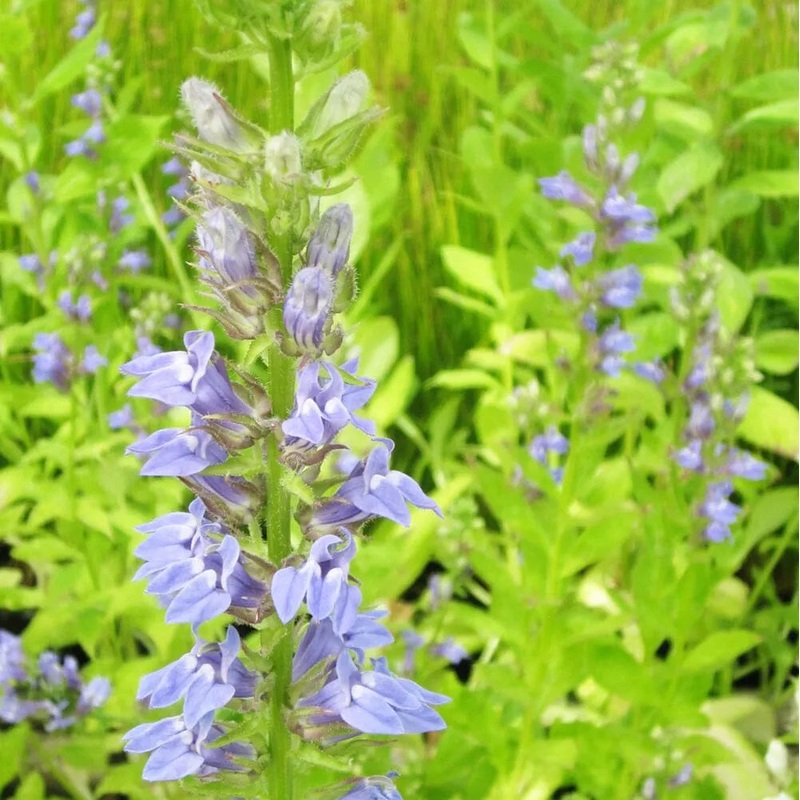
Mimulus ringens, commonly known as Allegheny Monkeyflower or Square-Stemmed Monkeyflower, is a perennial herbaceous plant native to North America. It is valued for its unique tubular blue-purple flowers and its ability to attract pollinators. Here’s a detailed description and care guide for Mimulus ringens:
Description:
Mimulus ringens typically grows to a height of 1 to 3 feet (30 to 90 cm) and forms a clump of erect square stems. It features opposite lanceolate leaves that are medium green in color and have a toothed margin. The leaves are sessile, meaning they lack a stalk. The plant produces distinct tubular flowers with a two-lipped structure. The flowers are typically blue-purple in color and have a yellow throat. They are arranged in loose clusters along the stem, with each flower having a square-shaped cross-section. Allegheny Monkeyflower blooms from mid to late summer, attracting bees, butterflies, and hummingbirds to its nectar-rich flowers.
Care Guide:
Lighting: Mimulus ringens thrives in full sun to partial shade. It prefers a location with filtered sunlight or a few hours of direct morning sun, especially in warmer regions. However, it can tolerate some shade, particularly in hotter regions where partial shade can help protect the plant from intense sunlight and prevent wilting.
Water: Allegheny Monkeyflower prefers consistently moist soil conditions. It appreciates moist, well-draining soil but can tolerate brief periods of wetness. Water the plant regularly to keep the soil evenly moist, especially during dry spells or periods of high heat. Mulching around the plant can help retain soil moisture.
Soil: Mimulus ringens prefers moist, fertile, and well-draining soil. It can tolerate a range of soil types, including clay or sandy soil, as long as it does not become waterlogged. Incorporating organic matter, such as compost or well-rotted manure, into the soil before planting can improve its fertility and moisture retention capabilities.
Temperature: Square-Stemmed Monkeyflower is adaptable to a wide range of temperatures. It is hardy in USDA hardiness zones 3-9. It can tolerate both cool temperatures and some heat. In hotter regions, partial shade or cooler microclimates can help protect the plant from excessive heat stress. Mulching around the plant can also help maintain soil moisture and regulate temperature.
Fertilizer: Mimulus ringens generally does not require heavy fertilization. A light application of balanced, slow-release fertilizer in early spring can provide the necessary nutrients for healthy growth and blooming. Follow the manufacturer’s instructions for dosage and application methods. Avoid over-fertilization, as it can lead to excessive foliage growth at the expense of flowers.
Maintenance: Allegheny Monkeyflower is relatively low-maintenance. Deadhead spent flowers to encourage continuous blooming and prevent self-seeding. Trim back the plant after blooming to promote fresh growth and a more compact habit. If desired, division can be done in early spring to propagate the plant and maintain its vigor.
Pests and Diseases: Mimulus ringens is generally resistant to pests and diseases. However, it may occasionally attract aphids or spider mites. Monitor the plant for any signs of pest infestation and take appropriate measures if necessary. Good air circulation and proper spacing can help prevent the development of fungal diseases, especially in humid conditions.
By following these care guidelines, you can successfully grow Mimulus ringens in your garden. Adjust the care routine based on your specific growing conditions and monitor the plant for any signs of stress or pest infestation. With proper care, Allegheny Monkeyflower will reward you with its unique blue-purple flowers and attract a variety of pollinators, bringing life and color to your garden.