$14.39
$17.99
50% OFF! Hot items selling fast—Grab them before they're gone!

 Unconditional Satisfaction GuaranteeNo Shipping Fees Above 302 Months to Decide. Returns Simplified.
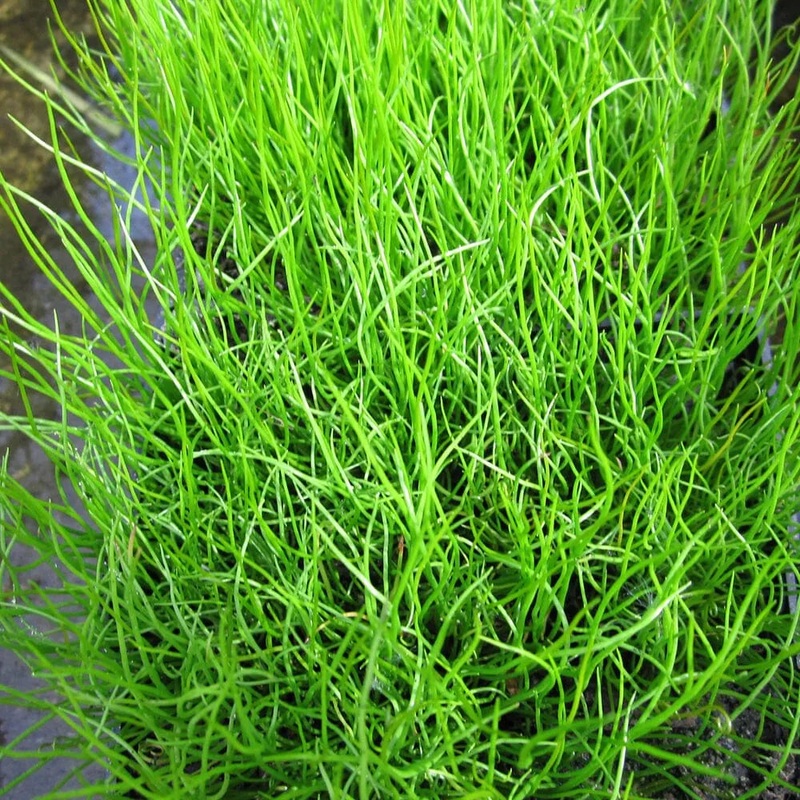
Phragmites australis, commonly known as Common Reed, is a tall perennial grass that is native to wetland habitats across the world. It is known for its large, feathery flower heads and dense stands that provide important habitat and erosion control in wetland ecosystems. Here’s a detailed description and care guide for Phragmites australis:
Description:
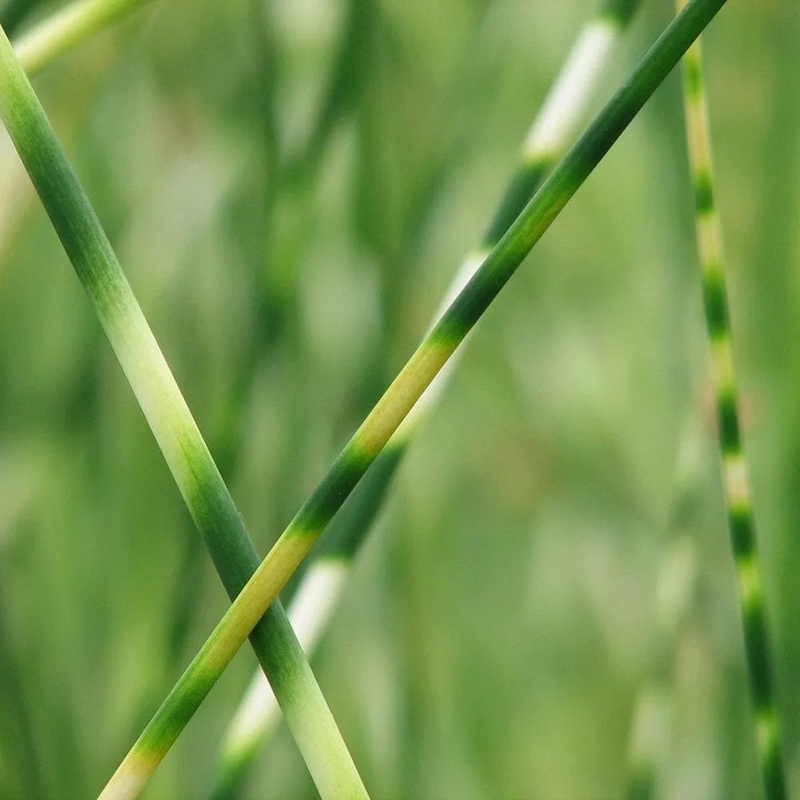
Phragmites australis is a robust grass that can reach impressive heights, often exceeding 6 to 10 feet (1.8 to 3 meters) in height. It forms dense stands of tall, erect stems that are round and sturdy. The stems are hollow and have distinct nodes where the leaves emerge. The leaves are long and narrow, typically measuring about 1 inch (2.5 cm) in width. In late summer to early fall, the grass produces large, fluffy flower heads at the top of the stems. These flower heads are composed of numerous tiny flowers that are surrounded by long, feathery bristles. The flowers turn golden brown as they mature, creating a striking visual display.
Care Guide:
Lighting: Phragmites australis thrives in full sun to partial shade. It prefers a location with at least 4-6 hours of direct sunlight per day for optimal growth and flowering. However, it can tolerate some shade, particularly in hotter regions where partial shade can help protect the plant from intense sunlight.
Soil: Common Reed is highly adaptable to a wide range of soil types, including clay, loam, and sandy soil. It is typically found in wetland habitats and can tolerate both moist and submerged soil conditions. If growing in a garden or landscape, ensure the soil is consistently moist, but not waterlogged, as excessive water can lead to root rot.
Watering: Phragmites australis prefers consistently moist soil. If growing in a wetland or near a water source, the natural water level should provide sufficient moisture. However, if growing in a garden, ensure regular watering to keep the soil evenly moist. Avoid waterlogging, as it can be detrimental to the plant’s health.
Temperature: Common Reed is hardy in USDA hardiness zones 3-10. It can tolerate a wide range of temperatures, from cold winters to hot summers. It is well-adapted to wetland habitats and can withstand both flooding and drought conditions. It is generally a low-maintenance plant in terms of temperature requirements.
Maintenance: Phragmites australis is a relatively low-maintenance plant. Regularly remove any dead or yellowing leaves to maintain a tidy appearance. As it is a rhizomatous grass, it can spread vigorously and become invasive in certain conditions. Monitor its growth and remove any unwanted spreading to prevent it from overtaking other plants or areas.
Pests and Diseases: Common Reed is generally resistant to pests and diseases. However, it may occasionally attract aphids or grasshoppers. Monitor the plant for any signs of pest infestation and take appropriate measures if necessary. Good air circulation and avoiding overhead watering can help prevent leaf diseases.
It’s important to note that in some regions, particularly where Phragmites australis is non-native, it can be considered an invasive species. Check with your local authorities before planting it outside of natural wetland habitats to ensure compliance with regulations.
By following these care guidelines, you can successfully grow Phragmites australis in suitable wetland habitats or garden settings. Adjust the care routine based on your specific growing conditions and monitor the plant for any signs of stress or unwanted spreading. With its tall stature and distinctive flower heads, Common Reed adds a touch of natural beauty to wetland landscapes.