$14.39
$17.99
50% OFF! Hot items selling fast—Grab them before they're gone!

 Unconditional Satisfaction GuaranteeNo Shipping Fees Above 302 Months to Decide. Returns Simplified.
Pontederia cordata, commonly known as Pickerelweed, is a native perennial aquatic plant found in wetland habitats across North and South America. It is known for its attractive spikes of blue-violet flowers and its ability to thrive in both submerged and emergent conditions. Here’s a detailed description and care guide for Pontederia cordata:
Description:
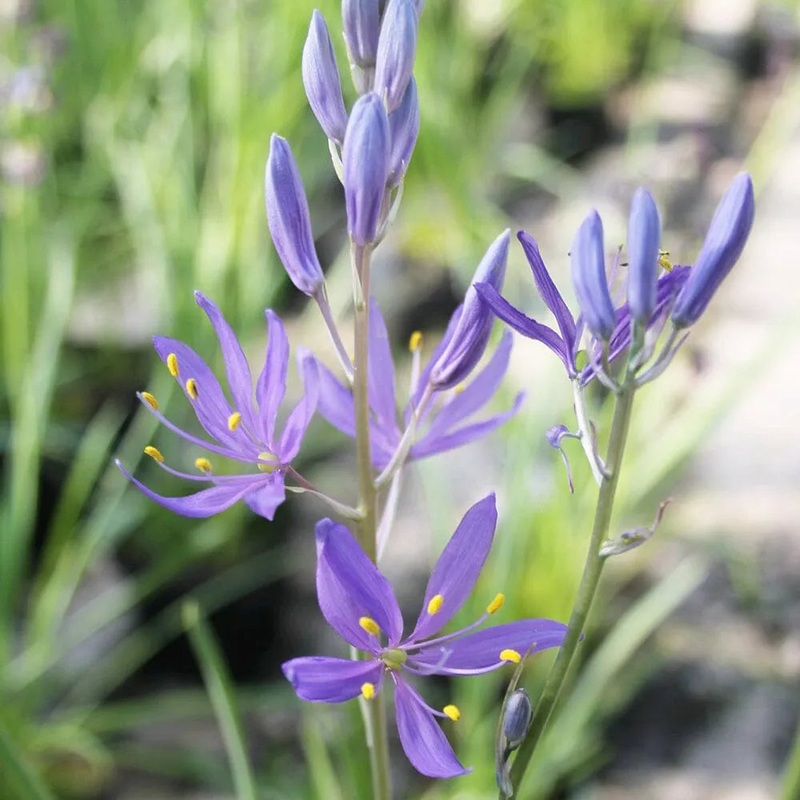
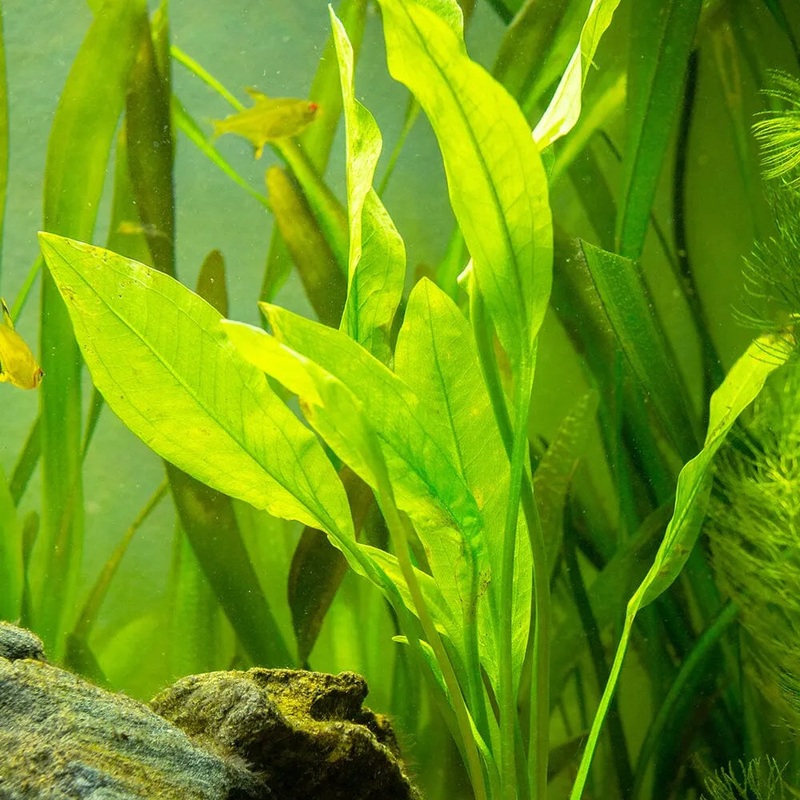
Pontederia cordata is a rhizomatous plant that forms dense clumps of foliage. It typically grows to a height of 2 to 4 feet (60 to 120 cm) and spreads about 2 to 3 feet (60 to 90 cm) wide. The leaves are large, heart-shaped, and glossy green, growing on long stalks that emerge from the base of the plant. The flower spikes are erect and tall, rising above the foliage. They consist of numerous small, tubular flowers in shades of blue-violet. The flowers are arranged in a dense spike and attract pollinators, such as bees and butterflies.
Care Guide:
Lighting: Pontederia cordata thrives in full sun to partial shade. It prefers a location with at least 4-6 hours of direct sunlight per day for optimal growth and flowering. However, it can tolerate some shade, particularly in hotter regions where partial shade can help protect the plant from intense sunlight.
Water: Pickerelweed is an aquatic plant that requires consistent moisture. It grows best in wetland environments, where it can tolerate both submerged and emergent conditions. If growing in a garden, ensure the soil remains consistently moist, but not waterlogged. If growing in a pond or water garden, ensure the water level covers the base of the plant.
Soil: Pontederia cordata prefers rich, organic soil that retains moisture. It can tolerate a range of soil types, including clay, loam, and sandy soil. If planting in a garden, amend the soil with compost or well-rotted manure to improve fertility and water retention.
Temperature: Pickerelweed is hardy in USDA hardiness zones 3-10. It can tolerate a wide range of temperatures, from cold winters to hot summers. It is well-adapted to wetland habitats and can withstand both freezing temperatures and periods of drought.
Maintenance: Pontederia cordata is a relatively low-maintenance plant. Remove any yellowing or dead leaves to maintain a tidy appearance. It may benefit from dividing the clumps every few years to control its spread and rejuvenate the plant. Be cautious when planting in natural wetland areas, as it can become invasive in some regions.
Wildlife Attraction: Pickerelweed is highly attractive to pollinators, especially bees and butterflies. The flowers provide a valuable nectar source, making it an excellent addition to pollinator gardens. Additionally, the dense foliage provides cover and habitat for aquatic wildlife, such as fish and amphibians.
Pests and Diseases: Pontederia cordata is generally resistant to pests and diseases. However, it may occasionally attract aphids or spider mites. Monitor the plant for any signs of pest infestation and take appropriate measures if necessary. Good water circulation and avoiding stagnant conditions can help prevent leaf diseases.
By following these care guidelines, you can successfully grow Pontederia cordata in suitable garden or aquatic settings. Adjust the care routine based on your specific growing conditions and monitor the plant for any signs of stress or unwanted spreading. With its vibrant flowers and ability to attract pollinators, Pickerelweed adds beauty and ecological value to wetland gardens and aquatic landscapes.