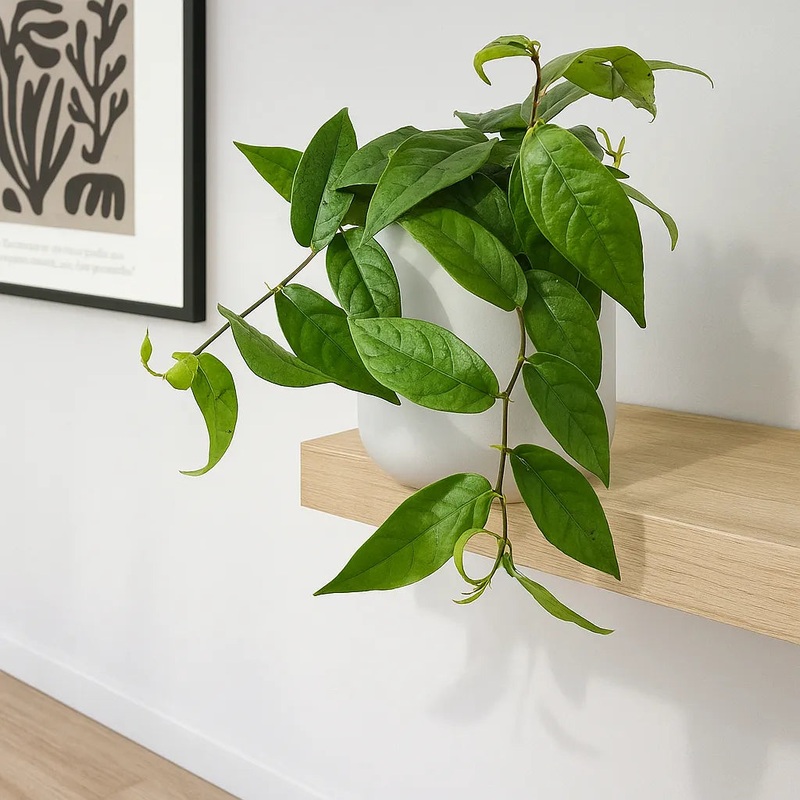
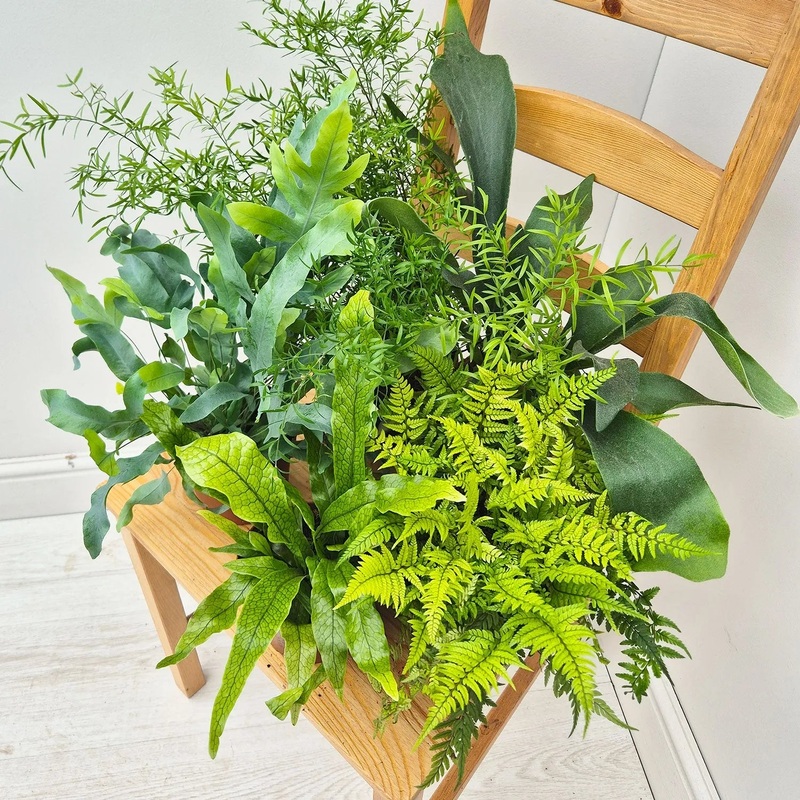
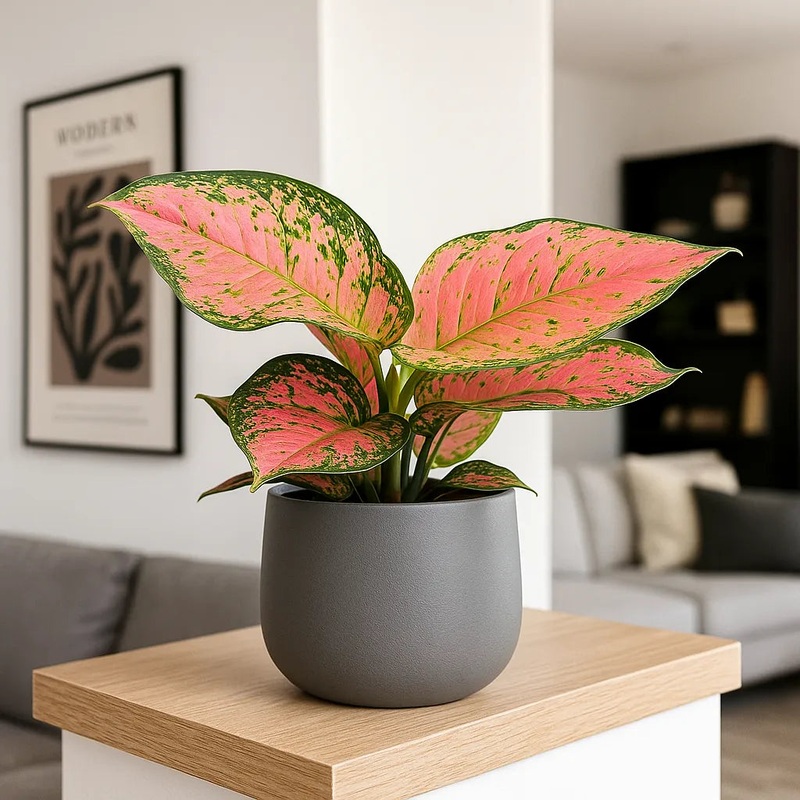
This stunning two-plant offer features two of the most sought-after variegated Monstera varieties: Monstera deliciosa ‘Albo Variegata’ and Monstera deliciosa ‘Thai Constellation’. Both are prized for their large, fenestrated leaves adorned with unique patterns of variegation, making them showstopping centrepieces in any plant collection.
-
Monstera deliciosa ‘Albo Variegata’: Known for its striking white variegation, the ‘Albo’ features large, split leaves with irregular patches and streaks of creamy white. Each leaf is unique, with variations ranging from speckled patterns to fully white sections.
-
Monstera deliciosa ‘Thai Constellation’: This variety is celebrated for its marbled cream and light green variegation, resembling the stars in a constellation. The variegation is more stable than the ‘Albo,’ with beautifully consistent patterns throughout the plant.
Both varieties are native to tropical rainforests, where they naturally climb trees. As houseplants, they thrive when provided with proper care and can grow into breathtaking specimens.
Care Guide for Monstera Albo and Thai Constellation
1. Light
- Ideal Conditions: Bright, indirect light helps maintain the vibrant variegation and supports healthy growth.
- Tolerances: Can adapt to moderate light, but growth may slow, and variegation may fade.
- Avoid: Direct sunlight, which can scorch the delicate variegated portions of the leaves.
2. Watering
- Frequency: Water when the top 23 cm (1 inch) of soil feels dry. Keep the soil slightly moist but not soggy.
- Method: Water thoroughly, ensuring excess water drains completely.
- Avoid: Overwatering, as both varieties are prone to root rot.
3. Humidity
- Ideal Levels: Both plants thrive in high humidity (60%+).
- Enhancements: Use a humidifier, mist occasionally, or place near other tropical plants to increase local humidity.
4. Temperature
- Optimal Range: 1827C (6580F).
- Avoid: Exposure to temperatures below 15C (59F) or sudden temperature changes.
5. Soil
- Type: A well-draining, nutrient-rich soil mix.
- Best Mix: Combine standard potting soil with orchid bark, perlite, and a small amount of peat moss or coco coir.
6. Fertiliser
- Schedule: Feed every 46 weeks during the growing season (spring and summer) with a balanced, water-soluble fertiliser.
- Avoid: Fertilising during winter or dormant periods.
7. Pruning
- Purpose: Remove yellowing or damaged leaves to maintain appearance and promote healthy growth.
- Method: Use clean, sharp scissors or pruning shears to trim leaves close to the stem.
8. Repotting
- Frequency: Repot every 12 years, or when the plant becomes root-bound.
- Best Time: Spring, to coincide with the growing season.
9. Propagation
- Method: Propagate via stem cuttings with at least one node.
- Place the cutting in water or a moist propagation mix (e.g., sphagnum moss).
- Keep the cutting in bright, indirect light and high humidity until roots develop.
10. Common Issues
- Fading Variegation: Caused by insufficient light; move to a brighter location.
- Yellowing Leaves: Often a sign of overwatering or poor drainage.
- Brown Leaf Tips: Can indicate low humidity or inconsistent watering.
- Pests: Watch for spider mites, mealybugs, and scale. Treat infestations promptly with neem oil or insecticidal soap.
Special Tips
- Use a moss pole or trellis to support their climbing habit and encourage larger, fenestrated leaves.
- Rotate the plants occasionally to ensure even light exposure and symmetrical growth.
- Handle variegated leaves carefully, as they are more sensitive to light and water stress.
With proper care, this pair of Variegated Monstera plants will thrive and become the crown jewels of your indoor garden. Their rare beauty and tropical charm make them a dream addition for any plant enthusiast!


 Unconditional Satisfaction Guarantee