
$148.00
$2.00
50% OFF! Hot items selling fast—Grab them before they're gone!

 Unconditional Satisfaction GuaranteeNo Shipping Fees Above 302 Months to Decide. Returns Simplified.
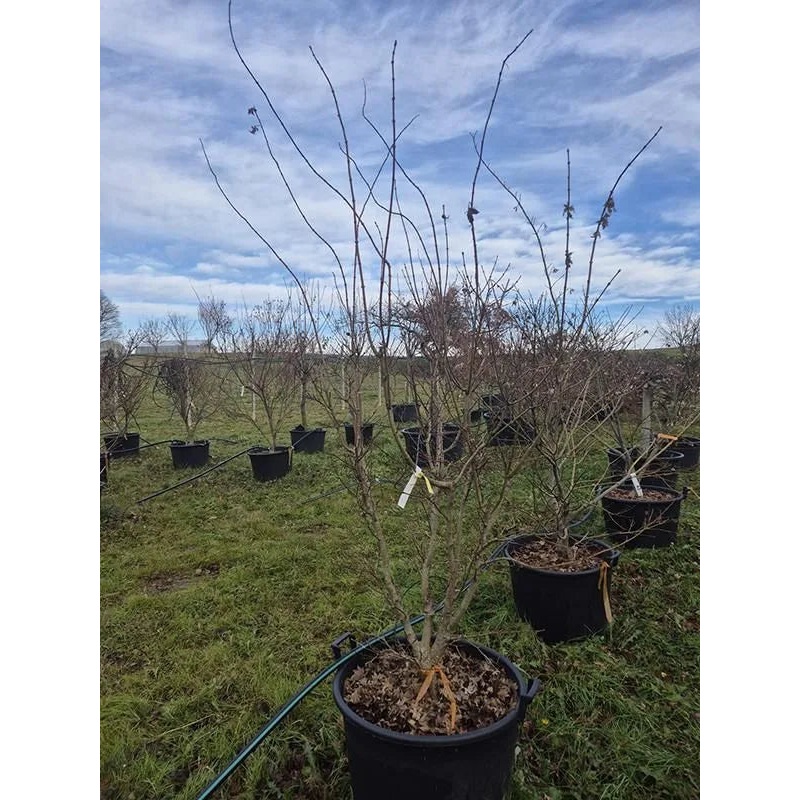
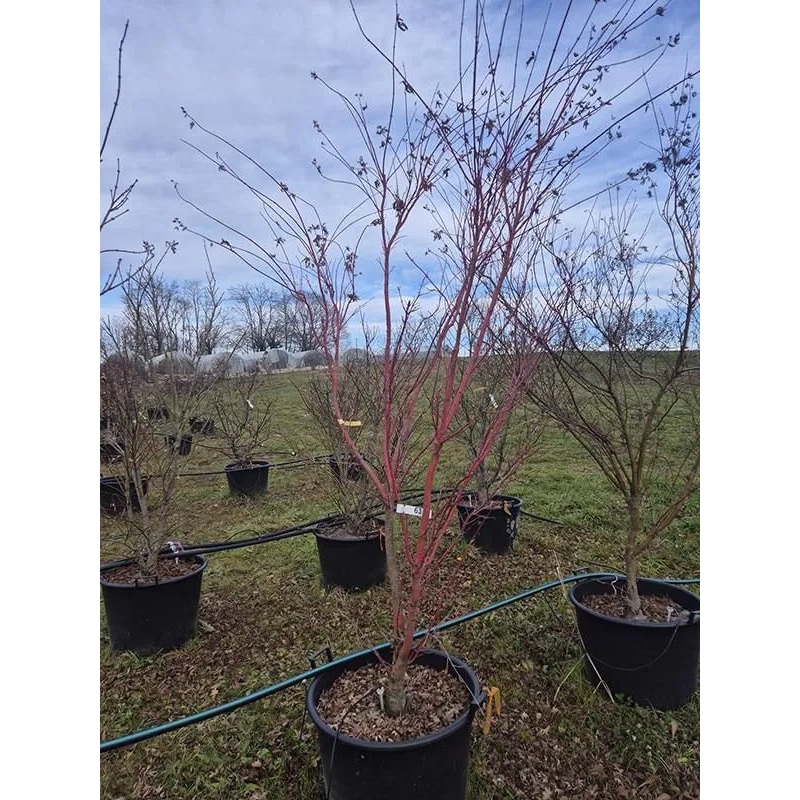
Toona sinensis Flamingo, often called the Chinese Cedar Flamingo, is a spectacular ornamental tree known for its stunning pink spring foliage, which brings vibrant colour and soft texture to the garden at a time when many trees are still waking up. A cultivar of the Chinese Mahogany (Toona sinensis), Flamingo is prized for its exceptional leaf colour and elegant form.
Foliage: Young leaves emerge a brilliant pink to salmon-pink in spring, gradually fading through cream to fresh green as the season progresses. The feathery, pinnate leaves give a soft, almost tropical appearance. In autumn, foliage may take on gentle yellow tones before falling.
Form: Typically grows into a small to medium-sized tree with a rounded crown. Generally reaches 68 metres high with a similar spread over many years, though can be kept smaller with pruning.
Bark: Smooth grey-brown on young trees, developing attractive fissures with age.
Other interest: Unlike many colourful trees which rely on flowers, Flamingo offers spectacular interest purely from its foliage, making it a superb specimen tree.
Because of its striking spring display, Toona sinensis Flamingo is especially effective as a focal point in lawns, borders or large mixed plantings, where its seasonal transformation can be fully appreciated.
Prefers a sunny or lightly dappled spot.
Best leaf colour is achieved in full sun, but young foliage benefits from a little shelter from strong midday sun which can cause scorch, especially in very hot summers.
Plant in a sheltered location, protected from cold, drying winds which can damage new leaves.
Once established, reasonably drought tolerant, but young trees will need watering in dry spells.
Ensure consistent moisture in the first couple of growing seasons to encourage strong root development.
Grows well in most fertile, well-drained soils, preferring slightly acidic to neutral ground.
Avoid heavy, waterlogged soils which can lead to root problems.
Generally needs little feeding if planted in good garden soil.
Mulch annually in spring with well-rotted compost to retain moisture and improve soil structure.
Prune lightly in late winter or early spring to remove any crossing or damaged branches and maintain a balanced shape.
Can be hard pruned to encourage vigorous regrowth of colourful foliage if grown primarily for its dramatic leaf display (sometimes treated like a large coppiced shrub).
Generally robust and relatively pest-free.
In very wet conditions or poorly drained soils, may be susceptible to root problems.